Motherhood in Art History: From Ancient Goddesses to Contemporary Identity - Online Course
Motherhood has long been one of the most powerful and complex subjects in art.
Across centuries and cultures, artists have returned again and again to the figure of the mother — as symbol, as ideal, as site of care and labour, and as a deeply personal and political identity. From ancient fertility figures to religious iconography, from domestic scenes to contemporary feminist practice, images of motherhood shape how we understand gender, family, and belonging.
This June, I’m offering a new live online course that explores these themes in depth.
A short journey through motherhood in art
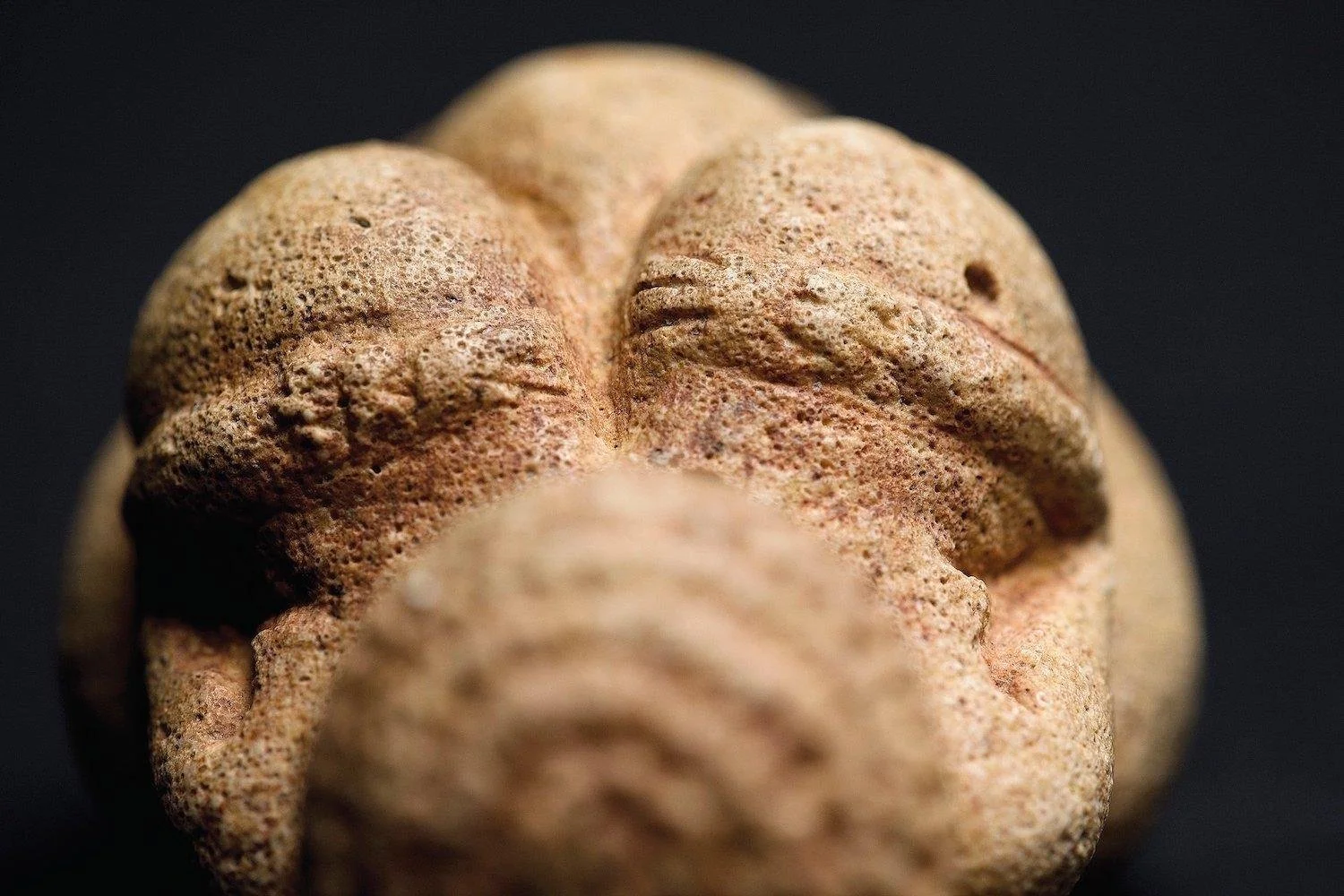
One of the earliest known representations of the maternal body, the Venus of Willendorf, dates back over 25,000 years. Often understood as a fertility figure, it foregrounds the body as a site of reproduction and survival.
In medieval and Renaissance Europe, images of the Virgin Mary and Child became central to religious art, shaping enduring ideals of motherhood: purity, devotion, sacrifice. These images were not simply devotional; they were cultural frameworks that influenced how motherhood was imagined and valued.
By the nineteenth century, artists such as Mary Cassatt turned to scenes of everyday intimacy, depicting mothers and children in domestic settings. These works were attentive, observational, and grounded in lived experience.
In contemporary art, motherhood is often approached with greater ambivalence and complexity. Artists explore themes of labour, identity, autonomy, and care, challenging earlier ideals and opening space for multiple, sometimes contradictory experiences of mothering.
Why study motherhood through art?
Looking at motherhood through visual culture allows us to step outside our own fixed assumptions and experiences. It makes us reconsidered how our ideals and ideas of motherhood might have been shaped by culture.
Images do not simply reflect reality, they help construct it. The ways mothers are depicted in art have shaped expectations about gender roles, emotional labour, family structures, and social value.
By examining these representations across time, we can begin to see:
how ideas of ‘the good mother’ have changed
how cultural and political contexts shape these images
how art reinforces or challenges dominant narratives
how personal experience intersects with visual tradition
This kind of inquiry historical as well as deeply relevant to contemporary conversations around care, identity, and social structures.
Picturing Mother: A live online intensive course
In June 2026, I’m running Picturing Mother, a two-part live online art history workshop/ lecture series exploring these themes.
Across two extended sessions, we will trace representations of motherhood from ancient imagery through to contemporary art, combining visual analysis with cultural and historical context.
The course is designed to be both intellectually rigorous and accessible. No prior knowledge of art history is required.
What the course covers
Ancient and symbolic representations of fertility and motherhood
Religious imagery and the legacy of the Madonna and Child
Domesticity and maternal ideals in early modern and modern art
Twentieth-century shifts in representing motherhood
Contemporary and feminist approaches to care, labour, and identity
Course format
Two live online sessions (Zoom)
Recommended readings
Small group setting
Space for discussion and reflection
Who this course is for
This course is suitable for:
those interested in art history and visual culture
readers of feminist and cultural criticism
parents, carers, or anyone reflecting on motherhood as an idea or experience
anyone curious about how images shape social meaning
You do not need any prior background in art history.
About the instructor
I’m Dr Joanna Wolfarth, an art historian, writer and educator. I currently teach at The Courtauld Institute of Art and The Open University. I have previously been a visiting assistant professor ay SOAS, University of London, University of Leeds, and Fulbright University Vietnam. My work focuses on art, gender, and motherhood, and I’m interested in how visual culture intersects with lived experience.
Book your place
Places are limited to keep the sessions engaged and conversational.
You can find full details and book here: