Why the Arts and Humanities Are a Matter of Survival
I went mildly viral on Instagram this week. News of more Higher Education redundancies prompted me to create a carousel using lightly edited quotes from this blog post I wrote a couple of years ago.
Here is the lovely Instagram post I made, which, in less than 24 hours was viewed 50,000 times. It clearly resonated.
And I think it made an impact because a lot of us are frightened. Not simply for our livelihoods but by a bigger, more amorphous threat that the erosion of arts and humanities poses. When I say erosion I mean not only the cuts to higher education departments or the side-lining of art and music in classrooms, but also of the long denigration of these subjects. The suggestion that they are ‘worthless’.
My seven-year-old watched a YouTube clip of lions last week. We looked it up because we wanted to hear the range of noises they made. Then an AI video of lions appeared in the feed. And we couldn’t immediately tell the difference. And so we had a conversation about what is real, and how we can tell.
And this is what worries me about AI. It is not only AI itself, but also the absence of the tools we need to navigate it. The ability to look critically at an image and ask: who made this, and why, and what are they trying to make me feel? The capacity to understand that what we are shown is always a choice, always someone’s version of the truth.
These are learned abilities.
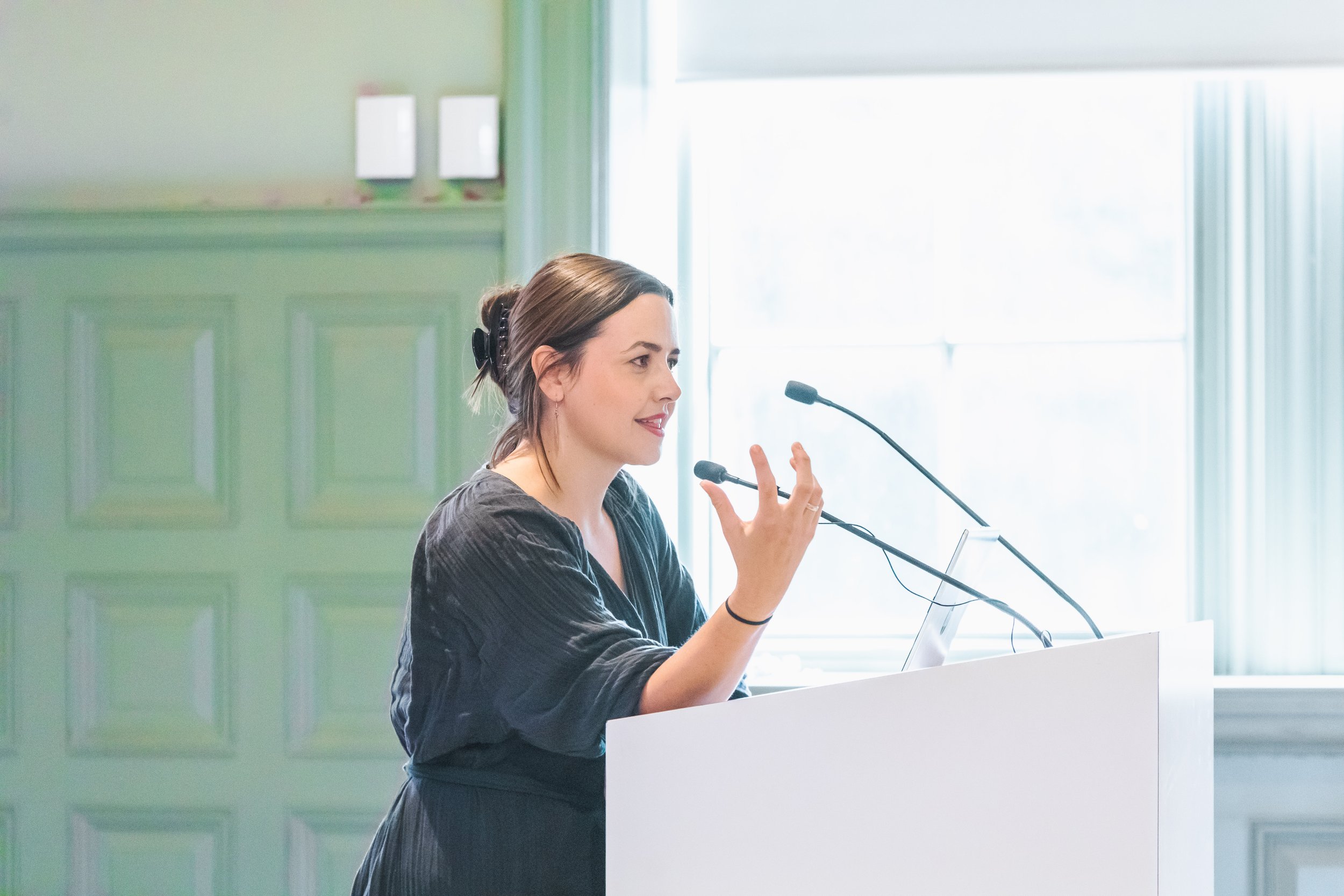
I have spent my career teaching art history. At the Courtauld Institute, at the Open University, at SOAS, at Fulbright University Vietnam, in workshops, community settings, and online seminars. Sometimes with students in their sixties and seventies who came expecting to learn about paintings and left having understood something about power.
Because art history is not only about aesthetic appreciation. It is about learning to read and understand the world. We ask who made this image, and who it was made for, and whose story does it tell, and whose does it leave out.
I have watched students encounter the reality of empire for the first time through a painting, the violence they were never taught about in school made visible in a single image. And it makes me feel that I am doing valuable work.
The argument against arts and humanities is always economic.
But I want to make a different argument. Because the worth of the arts and humanities goes well beyond economic value.
When I was a new mother, overwhelmed and isolated, it was discovering two thousand years of images of breastfeeding women that told me that I was not alone. That became my book Milk.
When I lost a loved one, suddenly and traumatically, it was art that broke through the numbness first.
The arts and humanities not only teach critical thinking, though that is vital too. But the deeper thing they offer us is that we are not alone in our experience, that our lives have context and history and meaning, that what happens to us has happened before and been survived.
When children are growing up in a world of AI-generated images and deepfakes and algorithmic feeds designed to keep them scrolling and authoritarian governments erase inconvenient histories we need the humanities and arts more than ever.
But there is also no simple answer. It is a scandal that students start their adult lives tens of thousands of pounds in debt and graduate into a difficult job market. But the answer to a broken system is not to dismantle the subjects that give the broadest access to this kind of education. We can’t produce a generation of young people who can write code but cannot read an image.
So, I will continue to assert that these things matter. That making matters. That thinking matters. That the ability to look at the world critically and ask hard questions about what we are being shown and why is not a luxury for people who can afford it but a right for everyone.