Creative composting
How I stopped panicking and started letting things rot
A few weeks ago I got an email from my agent. It was her feedback on the latest draft of my book proposal.
The sales pitch still needs work. I still need to nail that one crucial line that now apparently has to be crystal clear and succinct for the commissioning editors to convince publishing houses to reach for their wallet. The nonfiction market is tough right now, she tells me.
Old me would have paused everything, upended the family, and started work on a new draft asap. Panicked by needing to prove myself RIGHT NOW, to show I was good enough, that I wasn’t a failure, that I wouldn’t let my agent down by working harder and faster and longer.
Instead I went to the beach. For a week.
Admittingly, it was a planned trip. Camping for seven whole nights. But Old Me would say: I need a least a morning to work on the book proposal because it must be fixed NOW.
But I didn’t open my laptop once.
By the time I got to bed each night I barely had the energy to read more than a page of my kindle. (Note to campers: self inflating mattresses are a game changer).
Instead, I learned to paddleboard. I swam every day. I made up silly games to play with the small children. I talked, no-one checked their phone.
One afternoon I sat on the beach with my artist friend I’ve known for 20 years and while our children dug in the sand we talked about slow creativity. How we must allow ourselves to make at a slow pace.
The book was always there in my mind. Mainly when I was driving, or swimming. But I wasn’t working on it.
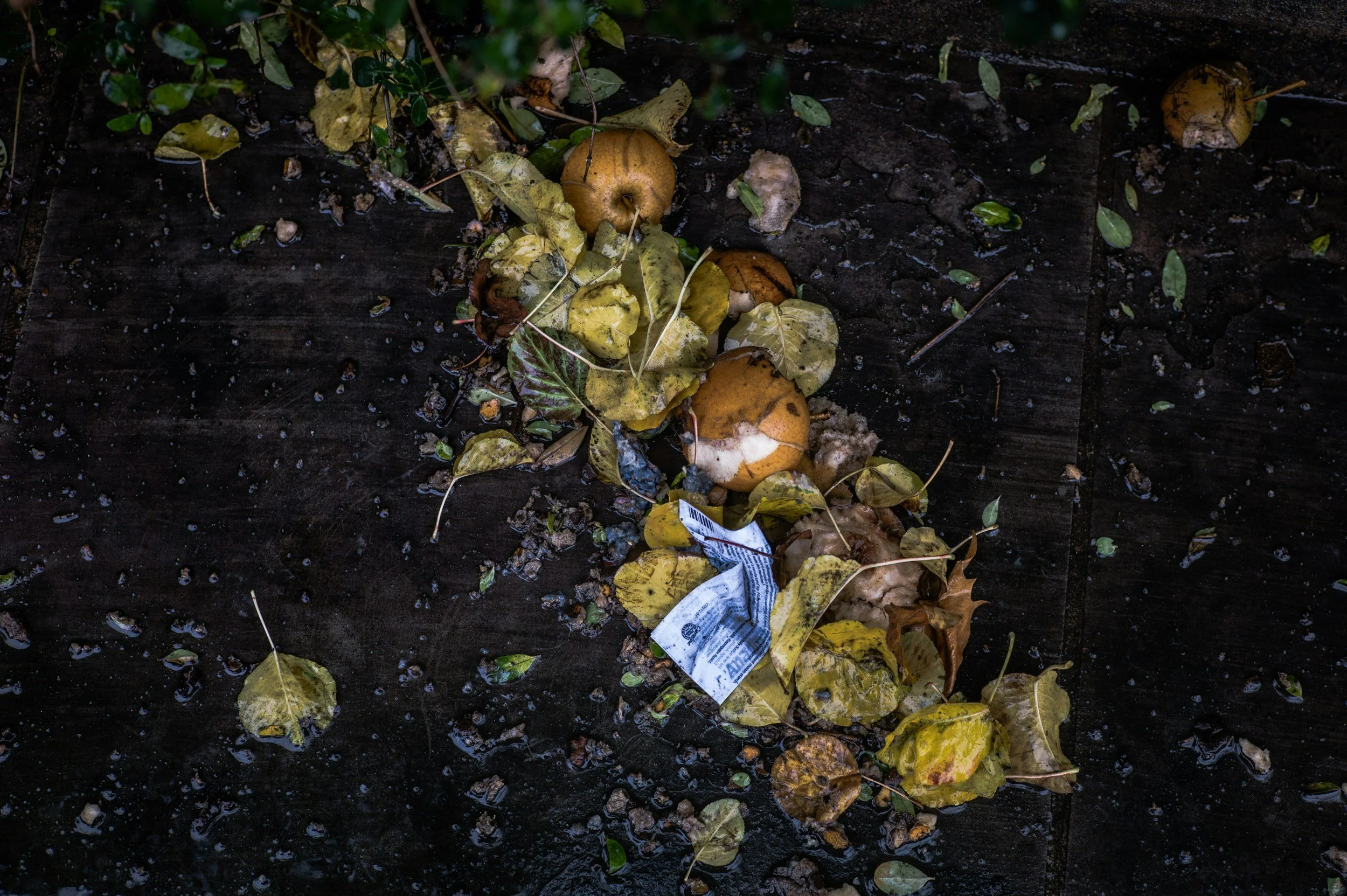
I was letting it decompose.
Ideas came in fragments. I collected new images and ideas. Memories took up space. The framing for each ‘rejected’ proposal turned over in my mind.
All of it was going into the heap.
This is what I’ve started calling creative composting. Where we live in the world, gathering raw material and allowing it to stew in a big soupy mess of the human mind.
After all, that’s what human creativity is all about.
Mess, transformation, mulch.
I’ve come home to the email from my agent and no new draft, no tidy solution. But I’m working on it.
What creative composting actually involves
Gathering. Scraps. Noticing. Being bored. Moving the body. Talking, really talking, about everything or nothing. Keep adding to the heap: images, half-thoughts, things that made you feel something.
Leave it.
The mulching happens without you.
Come back to it later and find that things have merged, broken down, become something new.